

If you’re planning a home improvement project in North Devon, one of the first questions you’ll face is whether you need planning permission — and how building regulations fit into the process.
For many homeowners, this can quickly become confusing. Terms like permitted development, building control, and planning approval are often used interchangeably, but they mean very different things.
This guide explains everything clearly, helping you understand what’s required before you start your project, how long approvals take, and how to avoid costly mistakes.
Do I Need Planning Permission?
Whether you need planning permission depends on the type, size, and location of your project. Some developments fall under permitted development rights, meaning you can build without formal planning approval, while others will require an application to North Devon Council.
In general, planning permission is more likely to be required if your project significantly changes the size, shape, or appearance of your property, or if it impacts neighbouring homes.
For example:
- Extensions may require permission depending on size, height, and proximity to boundaries - especially for larger projects such as home extensions in North Devon.
- Loft conversions often fall under permitted development, although more complex structural changes, like altering the roof shape, may require approval, particularly for larger renovation projects.
- Garage conversions usually do not require planning permission, but still require building regulations
- New builds always require full planning approval, particularly when developing land or replacing existing structures as part of a new build project.new build project.
- Outbuildings and landscaping may be allowed under permitted development if within certain limits
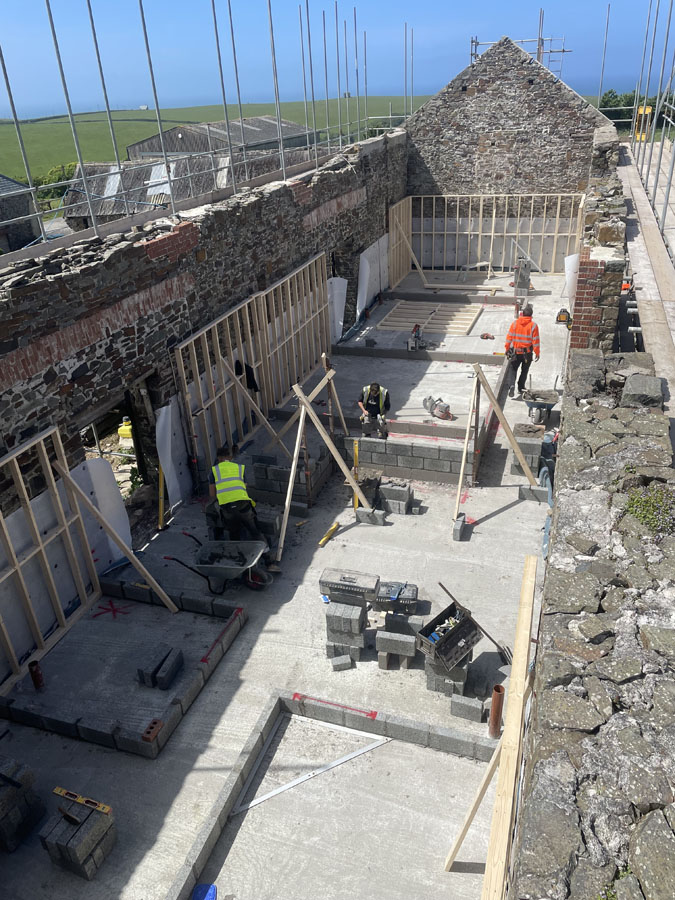
- Barn conversions almost always require planning permission, particularly when changing the use of an agricultural building into a residential dwelling
Every project is different, which is why it’s important to assess your plans early before starting work.
Typical Permitted Development Limits (UK Guidelines)
While permitted development allows you to build without planning permission, there are strict limits that must be followed.
In many cases:
- Single-storey rear extensions are typically limited to 3 metres (semi-detached/terraced) or 4 metres (detached)
- Larger extensions may be allowed under prior approval (up to 6–8 metres), subject to neighbour consultation
- Extensions must not exceed 4 metres in height
- Developments must not cover more than 50% of the land around the original house
- Outbuildings must be single storey and below height limits
These are general UK guidelines and can vary depending on your property, so it’s always important to confirm before building.
What Is Permitted Development?
Permitted development allows certain types of building work to be carried out without applying for full planning permission. These rights are set under national rules, but there are strict limits on size, height, and placement.
For example, you may be able to build a single-storey extension or convert your loft without planning permission, provided the design meets specific criteria.
However, permitted development rights can be restricted in certain cases, such as:
- Listed buildings
- Properties in conservation areas
- Homes with previous planning conditions
- Rural or agricultural buildings undergoing change of use
If you’re unsure whether your project falls within permitted development, it’s always best to get advice before starting work, particularly for projects like extensions or structural renovations.
What Are Building Regulations?
A common misconception is that planning permission and building regulations are the same thing — they are not.
Planning permission focuses on how a development affects the surrounding area, including its appearance, size, and impact on neighbours.
Building regulations, on the other hand, ensure that the work itself is safe, structurally sound, and energy efficient.
Even if your project does not require planning permission, it will almost always need building regulations approval.
Building regulations typically cover:
- Structural integrity and load-bearing elements
- Fire safety and escape routes
- Insulation and energy efficiency
- Ventilation and drainage
- Electrical and plumbing work
This means that even internal alterations, such as removing a wall, converting a garage or larger structural projects like full property renovations will require building control approval.
How Long Does Approval Take?
Understanding timelines can help you plan your project more effectively.
For most residential projects:
- Planning permission decisions usually take around 8 weeks
- Larger or more complex applications can take 10–12 weeks or longer
- Building regulations approval can often be arranged more quickly, depending on the route taken
You should also allow time for preparing drawings and submitting applications, as this can add several weeks before approval is granted.
What Does Planning Permission Cost?
For standard householder applications in England, planning permission typically costs around £206, although additional costs may apply for drawings, surveys, or specialist reports.
More complex projects such as barn conversions or new builds can involve higher costs due to additional requirements, including structural surveys, ecological reports, or heritage considerations.
What Happens If You Build Without Permission?
Starting work without the correct approvals can lead to serious consequences.
If planning permission is required but not obtained, the local authority has the power to:
- Issue enforcement notices
- Require alterations or complete removal of the work
- Delay or prevent future property sales
Similarly, failing to comply with building regulations can create safety risks and may result in difficulties when selling, refinancing, or insuring your property.
In some cases, retrospective applications can be made, but these are not guaranteed to be approved and often involve additional costs and complications.
A Simple Process To Follow
To avoid delays and confusion, most projects follow a straightforward process:
- Identify the type of project you want to carry out, whether that’s an extension, renovation, new build, or barn conversion
- Check whether it falls under permitted development
- Confirm if planning permission is required
- Prepare drawings and submit an application if needed
- Obtain building regulations approval
- Begin construction once approvals are in place
Taking these steps early can save time, reduce risk, and prevent costly changes later on.
How LS Building Services Supports Your Project
Planning permission and building regulations can feel overwhelming, especially if you’re unfamiliar with the process.
At LS Building Services, we work closely with homeowners throughout their projects, helping you understand what’s required before work begins and ensuring everything is carried out to the correct standards.
We can:
- Advise on whether your project may require planning permission or building regulations
- Work alongside architects, designers, and building control where needed
- Ensure all construction work is completed in line with current regulations
- Help you avoid common issues that can delay projects
This is particularly important for more complex projects such as extensions, renovations, new builds and barn conversions, where careful planning is essential.
Frequently Asked Questions
Yes, neighbours can submit objections, but these must be based on valid planning concerns such as overlooking, noise, or impact on the local area.
This depends on the type of project and local regulations. Building regulations and party wall agreements may also apply.
Not always. Many single-storey extensions fall under permitted development, but they must meet strict size and design limits.
Yes, in most cases barn conversions require planning permission, particularly where the use of the building is being changed.
Yes. Structural changes, such as removing walls, almost always require building regulations approval.
Planning Your Project In North Devon
Whether you’re considering an extension, renovation, new build or barn conversion, understanding planning permission and building regulations is a crucial first step.
Getting the right advice early can save time, reduce costs, and prevent complications later on.
If you’re unsure where to start, speaking to an experienced local builder can help you move forward with confidence — whether you’re planning an extension, renovation, or barn conversion in North Devon.
Disclaimer
Always confirm requirements with North Devon Council, your architect, or a qualified professional before starting any building work, as regulations and permitted development rights can change.